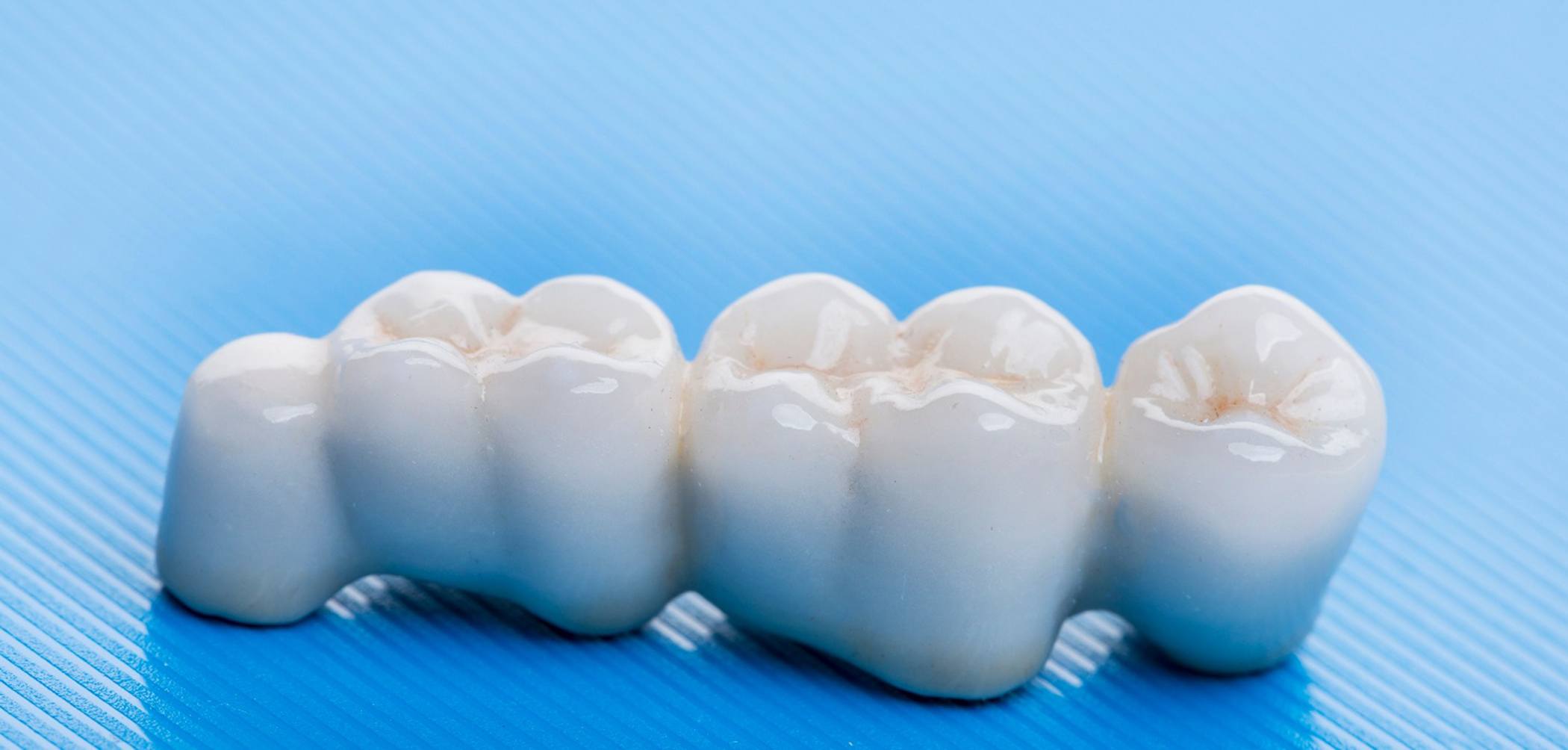
When you’re missing even just one permanent tooth, it can make everyday things like eating, smiling confidently, and speaking clearly very difficult. Dental bridges in Midlothian can fill in those gaps in your arches, restoring up to four consecutive teeth and the ability to use your mouth to eat, smile, and converse.
What Is a Dental Bridge?
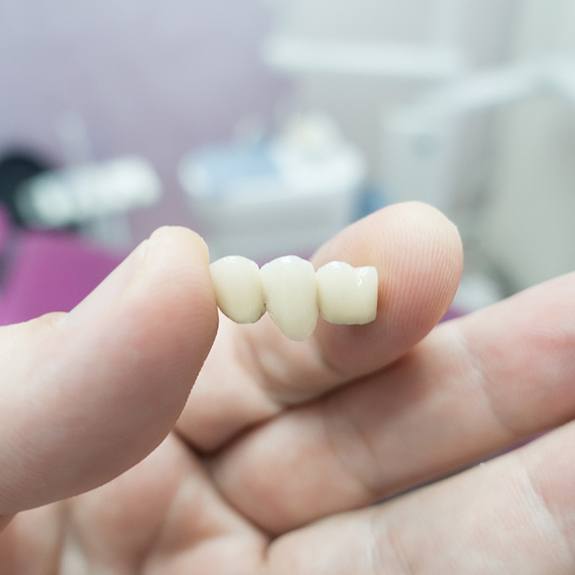
Dental bridges are prosthetic restorations that can replace up to four consecutive missing teeth. They are held in place in your arches by anchoring to two healthy “abutment” teeth that are reshaped to support the bridge. These prosthetics can be made of a variety of materials; however, we typically use natural looking and feeling materials such as porcelain to create a seamless, lifelike repair.
Types of Dental Bridges
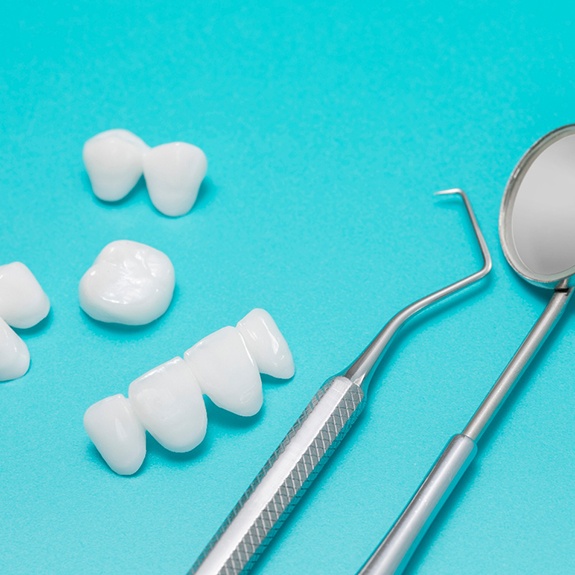
There are two different types of dental bridges in Midlothian: traditional and implant. Exactly which one will work best for your smile will depend on several factors, which your dentist will discuss with you during your consultation.
Traditional Dental Bridges
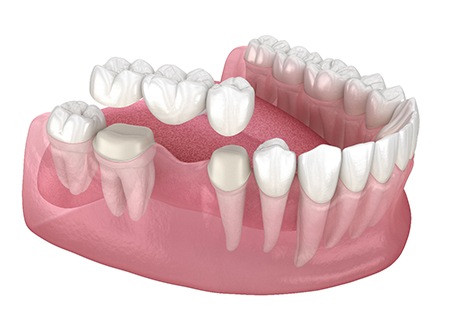
Traditional bridges can restore up to four consecutive missing teeth; however, they require the empty space in your arch to be surrounded by at least one healthy tooth on each side. These teeth are then reshaped so the prosthetic can be cemented on top.
Traditional bridges can be used to enjoy a full diet, and because they’re matched to your existing teeth, are virtually indistinguishable in your smile. These restorations typically last between five and ten years before they need to be replaced.
Implant Bridges
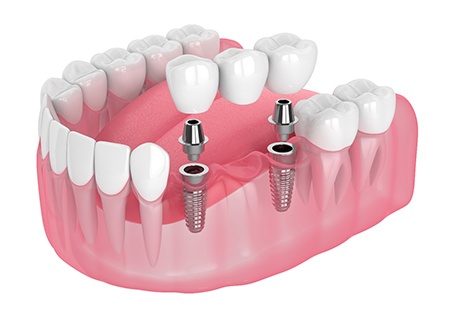
Implant bridges combine the convenience of a dental bridge with the security of dental implants. Using at least two titanium or zirconium posts that are surgically inserted into the jawbone, implant bridges do not require you to have healthy abutment teeth to work, which means you also won’t need to alter your healthy teeth to get them. Furthermore, because they are permanently attached, they should last much longer than a traditional dental bridge, saving you time and money. Finally, because they are stronger and more durable than traditional bridges, they can support more missing teeth and provide greater biteforce when they do.
The Benefits of Getting a Dental Bridge

Dental bridges in Midlothian can replace up to four consecutive missing teeth on an arch. While this may not seem like a big deal, especially if they’re hidden in the back of your mouth, empty spaces in your smile could eventually lead to further tooth loss. By restoring your missing teeth with a dental bridge, you can help prevent your existing teeth from shifting out of place. They can also help improve your ability to eat a wider range of foods, speak clearly, and smile confidently.
To learn more about dental bridges and to see if this treatment is right for you, contact us today to schedule a consultation!
Dental Bridges FAQs
Can You Take a Dental Bridge Out?
In truth, no – you can’t take a dental bridge “out” like you would a removable denture. This device is made to be permanent, so only a dental professional can safely remove it.
A dental bridge is an inherently fixed restoration. Even as it sits on your gums, it maintains stability by connecting to nearby natural teeth – also known as abutments – affixed with crowns. That means a patient can’t remove the device without putting their smile at risk.
If (or when) a bridge must be removed, only a trained dentist can perform the task. Their education, training, and resources let them do safe removals that don’t harm your mouth.
Is Getting a Dental Bridge Painful?
Rumors may say otherwise, but getting a dental bridge isn’t painful. Dentists take every step possible to make the process smooth and painless for patients.
The dentist will numb your teeth (with a topical anesthetic) before treatment starts. That way, you won't feel uncomfortable as they prepare your smile for its bridge. The most you might experience is a slight pressure as the dental team works on your “abutments” (i.e., nearby natural teeth). Otherwise, you shouldn’t suffer any pain.
Only after you get your bridge will your remaining teeth feel slightly sore. Even then, though, the ache will be mild and temporary; it’ll fade within a few days.
How Many Teeth Can a Dental Bridge Replace?
A dental bridge can replace one to four missing adjacent teeth, depending on the patient’s needs. However, most dentists only use the device to replace a tooth or two at most.
The problem is that dental bridges become unstable as they extend. As the gap they fill grows wider, they’re increasingly likely to fail early. It’s thus a risky move to have a dental bridge replace three or more of your teeth. (An implant bridge is an exception to this rule; its implants ensure the device is secure long-term.)
Do Dental Bridges Look Natural?
When placed by a qualified dentist, a dental bridge looks very natural. The final device blends seamlessly with adjacent teeth and doesn’t look "fake" or "false" at all.
Many of today’s dental bridges use tooth-colored materials – ceramic, zirconia, etc. As such, they can be color-matched to your smile’s enamel; light will even similarly bounce off them. The result is that your bridge should “blend in” with the rest of your smile quite well.
At the same time, don’t forget: A dental bridge is affixed to abutments (i.e., nearby natural teeth). It won’t fall out over time like a traditional denture might.